
Dive into the 15-slide analysis of Tesla’s 2011 pitch deck that secured $192M in Series D funding from investors including Elon Musk and Toyota.
Building your own pitch deck?
Get expert guidance from the team behind $2B+ in investor interest.
Tesla was founded in 2003 by Martin Eberhard and Marc Tarpenning in San Carlos, California, with the audacious vision of creating high-performance electric vehicles that would prove EVs could be desirable, not just environmentally conscious. Their first product, the Tesla Roadster, launched in 2008 using a modified Lotus chassis, sold over 2,400 units, and fundamentally shattered the slow ‘golf cart’ stereotype of electric cars whilst generating crucial early revenue. This wasn’t just about building cars—it was about redefining what electric mobility could represent in terms of performance, luxury, and desirability, a mission that aligns with the value of expert help, such as pitch deck consulting services.
The early years were fraught with challenges including scaling production complexities, battery supply chain issues, and intense scepticism from the established automotive industry about the viability of electric vehicles. Elon Musk joined as the lead investor in the 2004 Series A round, initially serving as chairman before becoming CEO in 2008 amid leadership transitions and the company’s near-bankruptcy during the global financial crisis. The strategic pivot focused on developing the more affordable Model S sedan, positioning Tesla to move beyond the niche sports car market into mainstream luxury sedans.
By 2011, armed with Roadster success and crucial third-party validation through the Toyota partnership, Tesla sought major institutional capital for Model S production scaling. This pitch deck was crafted to target sophisticated investors, emphasising the strength of the leadership team, tangible customer demand through reservations, and critical infrastructure assets like the newly acquired Fremont factory. The presentation needed to convince investors that Tesla could transition from a boutique car manufacturer to a scalable automotive company capable of challenging century-old industry incumbents.
The deck successfully raised $192 million, providing the capital necessary for factory tooling, production equipment, and operational scaling that enabled Model S deliveries to commence in 2012. This funding round marked Tesla’s transformation from a niche sports car maker into a credible electric vehicle leader with the infrastructure and resources to challenge traditional automotive giants on their own terms.
Tesla’s cover slide exemplifies confident minimalism with its bold red logo against a pristine white background, accompanied only by the words “Investor Presentation.” This design choice immediately communicates that the company doesn’t need flashy graphics or overwhelming statistics to capture attention—the Tesla brand itself carries sufficient weight and recognition. The simplicity suggests a mature company that has moved beyond the need for desperate attention-grabbing tactics, instead relying on substance and reputation.
The strategic use of white space creates an aura of premium positioning, much like luxury brands that let their logos speak volumes without cluttering the message. This approach mirrors Tesla’s product philosophy of elegant design and purposeful engineering, establishing thematic consistency between brand presentation and product ethos. The red colour choice for the logo creates energy and urgency whilst maintaining professional sophistication, subtly preparing investors for a presentation about disrupting a massive, traditional industry.
What investors see: A company that has evolved beyond startup desperation into confident market positioning, suggesting management that understands brand value and customer psychology. The minimalist approach indicates disciplined thinking and strategic maturity—qualities essential for navigating the capital-intensive automotive industry. This first impression builds credibility before any financial metrics are shared, establishing Tesla as a serious player worthy of institutional investment consideration.

Positioning the team slide second demonstrates Tesla’s understanding that investors back people first, products second, particularly in capital-intensive industries requiring flawless execution over many years. The slide showcases Elon Musk as CEO and Product Architect alongside a comprehensive C-suite including CTO, CFO, Chief Designer, and VPs covering manufacturing, engineering, and communications. This breadth of senior leadership signals organisational maturity and the infrastructure necessary to scale beyond entrepreneurial chaos into systematic operations.
The inclusion of specific functional leaders like manufacturing and engineering VPs addresses the core investor concern about Tesla’s ability to transition from prototype development to mass production—historically the graveyard of automotive startups. By highlighting this operational depth early, Tesla preemptively answers questions about execution capability whilst positioning itself as a complete organisation rather than a visionary leader with a supporting cast. The team composition suggests serious institutional thinking about the challenges ahead rather than naive optimism.
What investors see: A management structure capable of managing complex supply chains, regulatory compliance, quality control, and customer relationships simultaneously—the operational sophistication required for automotive success. The presence of experienced leaders across all critical functions reduces key person risk whilst demonstrating that Tesla has attracted talent capable of executing at scale. This team depth becomes particularly crucial when investors consider the technical and operational complexity of transitioning from low-volume Roadster production to high-volume Model S manufacturing.
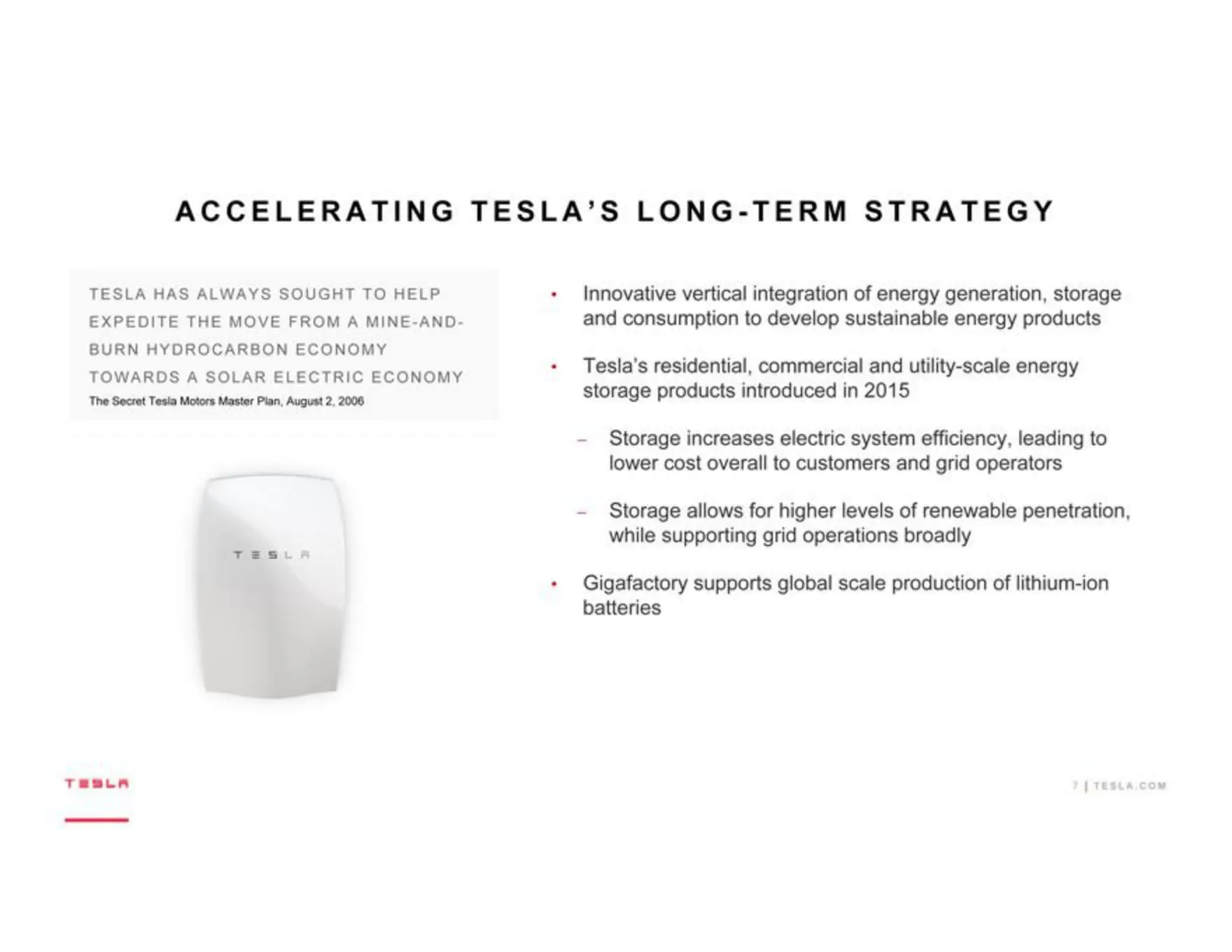
Tesla’s vision slide articulates the company’s mission to accelerate the world’s transition to sustainable energy, positioning the company as a transformative force extending far beyond traditional automotive manufacturing. This framing elevates Tesla from a car company competing for market share to a catalyst company driving fundamental energy infrastructure change. The vision encompasses both the immediate product opportunity and the broader systemic transformation, appealing to investors who understand that the largest returns come from companies that create new categories rather than compete in existing ones.
By focusing on sustainable energy rather than simply electric vehicles, Tesla establishes intellectual and strategic territory that encompasses energy storage, solar power, and charging infrastructure—creating multiple revenue streams and defensive moats. This broader vision provides justification for premium valuations by suggesting total addressable markets measured in trillions rather than hundreds of billions. The positioning also aligns Tesla with broader environmental and regulatory trends, suggesting the company will benefit from rather than fight against evolving market forces.
What investors see: A company with platform thinking that can expand beyond single product categories into adjacent markets, creating multiple expansion opportunities and revenue diversification. The sustainable energy mission provides powerful narrative alignment with institutional investors increasingly focused on environmental impact and ESG considerations. This vision also suggests that Tesla’s technology investments and brand equity will compound across multiple product categories, potentially justifying venture-scale returns even in a capital-intensive industry traditionally associated with modest returns.
The Model S introduction combines striking product imagery with concrete business metrics, showing 20,000 units annually targeting 1% of the global premium sedan market. This approach balances emotional appeal through beautiful product photography with rational investment analysis through specific production targets and market positioning. The 20,000 unit target represents a dramatic scale increase from Roadster volumes whilst remaining credible given Tesla’s manufacturing plans and market research, demonstrating ambitious yet grounded thinking about growth potential.
The 1% global market share target appears modest but represents significant revenue opportunity when applied to the premium sedan segment, suggesting Tesla understands the importance of realistic market penetration assumptions in investor models. By focusing on premium positioning rather than mass market disruption, Tesla reduces execution risk whilst maximising unit economics through higher margins. This strategic positioning acknowledges that sustainable competitive advantage comes through superior products commanding premium pricing rather than competing on cost against established manufacturers with decades of optimisation.
What investors see: A company that has learned from Roadster experience to focus on achievable production targets with strong unit economics rather than pursuing maximum volume at the expense of profitability. The specific metrics provide concrete inputs for financial modelling whilst the premium positioning suggests gross margins sufficient to support growth investment and eventual profitability. This combination of beautiful product presentation with quantified business opportunity demonstrates the balance between vision and pragmatism essential for automotive industry success.
Tesla’s competitive analysis divides the market into performance, luxury, and efficiency categories to demonstrate that the Model S uniquely combines attributes typically found separately in different vehicle segments. This matrix approach shows that traditional competitors excel in single dimensions—sports cars offer performance, luxury sedans provide comfort, hybrids deliver efficiency—but no existing vehicle integrates all three at Tesla’s level. The positioning suggests Tesla has identified and can own a new category rather than competing directly against established players in their areas of strength.
The analysis reveals strategic thinking about competitive positioning by highlighting the absence of direct rivals rather than emphasising superiority over similar products. This approach reduces investor concerns about competitive response whilst establishing pricing power through differentiation. By showing that Tesla combines performance, luxury, and environmental benefits in a single product, the company justifies premium pricing whilst reducing price sensitivity among target customers who previously had to compromise between these desired attributes.
What investors see: A company that has identified market whitespace through thoughtful competitive analysis rather than building features without strategic rationale. The matrix demonstrates Tesla’s understanding of customer psychology and willingness to pay premium prices for unique value propositions rather than incremental improvements. This positioning suggests sustainable competitive advantage through integrated design rather than component-level superiority, creating barriers to entry even as individual technologies become commoditised.

This slide demonstrates tangible progress through engineering team growth metrics and the crucial $9 million prototype development contract with Toyota, providing powerful third-party validation from one of the world’s most respected automotive manufacturers. The Toyota partnership represents more than revenue—it signals that industry incumbents view Tesla’s technology as valuable enough to pay for access and collaboration. The engineering team growth charts show organisational scaling aligned with increasing technical complexity and customer demands, suggesting disciplined hiring practices focused on capability building rather than headcount inflation.
The Toyota contract specifically validates Tesla’s engineering capability and technology platform beyond the Roadster, demonstrating that Tesla’s innovations have broader applicability than a single niche product. This partnership also provides valuable learning opportunities about manufacturing scale, quality systems, and supplier relationships that will prove crucial for Model S production. The financial terms represent meaningful revenue diversification whilst the strategic relationship offers potential for expanded collaboration as Tesla scales production capabilities.
What investors see: External validation from sophisticated industry players who have conducted thorough due diligence on Tesla’s technology and decided to invest their own capital in the relationship. The engineering team metrics demonstrate operational discipline and strategic talent acquisition aligned with business development rather than unfocused growth. This combination of partnership revenue and team scaling suggests Tesla is building sustainable competitive advantages through both technological capability and organisational maturity.
The Roadster success story provides crucial proof of concept that electric vehicles can be desirable, high-performance products commanding premium prices rather than compromise solutions chosen primarily for environmental reasons. With over 2,400 units sold, Tesla demonstrated market demand for electric vehicles that prioritise driving experience alongside efficiency, fundamentally challenging industry assumptions about customer preferences. The Roadster’s success also validated Tesla’s direct sales model and premium positioning strategy, establishing important precedents for the Model S launch and broader market approach.
Beyond unit sales, the Roadster achieved crucial brand building and market education objectives, transforming electric vehicles from utility products into aspirational lifestyle choices. The performance specifications and design aesthetics attracted automotive enthusiasts and luxury consumers who became Tesla evangelists, creating word-of-mouth marketing impossible to replicate through traditional advertising. This customer base provides valuable insights for Model S development whilst establishing Tesla’s credibility in performance and luxury segments essential for mainstream expansion.
What investors see: Demonstrated product-market fit in the premium segment with customers willing to pay substantial prices for Tesla’s unique value proposition, reducing market risk for the Model S investment. The Roadster success provides confidence that Tesla understands luxury customer psychology and can execute complex engineering projects from concept through production and delivery. This track record suggests the Model S opportunity represents market expansion rather than unproven concept validation, significantly improving investment risk-return profiles.
Tesla’s market opportunity analysis illustrates the massive scale of the global premium sedan market whilst positioning the company’s addressable market share through clear visual representation of market segments and growth potential. The presentation breaks down the premium automotive market by price points and geography, showing Tesla’s target segments within the broader landscape and providing concrete data for investor financial models. This approach demonstrates Tesla’s understanding of market sizing methodology whilst avoiding the trap of claiming unrealistically large addressable markets that damage credibility.
The charts specifically highlight growth trends in electric vehicle adoption and premium segment expansion, showing that Tesla benefits from multiple tailwinds rather than depending on single market dynamics. By focusing on premium segments, Tesla targets markets with higher unit economics and less price sensitivity, crucial factors for achieving profitability in capital-intensive manufacturing. The geographic breakdown also suggests international expansion opportunities as Tesla scales production capacity and establishes distribution networks in new markets.
What investors see: A large, growing market with sustainable competitive dynamics that reward differentiation and quality rather than cost leadership, ideal conditions for Tesla’s premium positioning strategy. The market analysis demonstrates sophisticated understanding of customer segmentation and competitive dynamics rather than generic total addressable market calculations. This granular approach builds confidence in Tesla’s go-to-market strategy and financial projections whilst showing awareness of market constraints and realistic penetration assumptions.
Tesla’s scalability slide demonstrates how the core technology platform scales from the Roadster through Model S and beyond, positioning the current investment as foundation building for multiple future products rather than single-product development. This platform thinking shows strategic sophistication by highlighting shared components, manufacturing processes, and technology investments that create economies of scale and reduce per-unit development costs. The roadmap suggests Tesla’s technology investments compound across multiple products, improving return on research and development whilst establishing barriers to entry through integrated system advantages.
The slide also illustrates Tesla’s understanding of automotive industry dynamics where platform development costs must be amortised across multiple models and market segments to achieve competitive unit economics. By showing clear progression from high-end sports car to premium sedan with additional models planned, Tesla demonstrates disciplined product strategy focused on market expansion rather than feature proliferation. This approach reduces execution risk whilst maximising addressable market opportunity through systematic customer segment development.
What investors see: Investment leverage through platform scaling that improves unit economics whilst reducing technology risk across multiple products, essential for achieving venture-scale returns in capital-intensive industries. The roadmap demonstrates long-term strategic thinking and market development approach rather than single-product focus, suggesting sustainable competitive advantages through integrated technology platforms. This scalability story justifies premium valuations by showing how current investments create option value across multiple future market opportunities.
The reservation slide provides powerful demand validation through concrete metrics showing over 3,000 Model S reservations generating $15 million in customer deposits, demonstrating real market demand backed by financial commitments rather than survey responses or focus group feedback. These reservations were achieved without significant marketing spend, suggesting organic customer interest and effective word-of-mouth from the Roadster customer base. The $5,000 deposit requirement filters serious buyers from casual interest, providing high-quality demand signals that reduce market risk for investors evaluating Tesla’s growth potential.
Beyond demand validation, the reservations provide valuable customer insights for production planning, feature prioritisation, and pricing optimisation as Tesla finalises Model S specifications. The deposit structure also improves Tesla’s working capital position by providing interest-free financing for development costs whilst establishing customer commitment that reduces order cancellation risk. This reservation model demonstrates Tesla’s understanding of luxury market psychology where exclusivity and early access create additional value perception among target customers.
What investors see: De-risked market validation through quantified customer commitments that provide concrete foundation for financial projections and production planning, crucial evidence for investment decision-making. The reservation metrics demonstrate Tesla’s ability to generate customer interest and financial commitment before product availability, reducing market risk whilst improving cash flow dynamics. This demand validation also suggests Tesla has identified and can serve a substantial customer base willing to pay premium prices for electric vehicle performance and luxury.
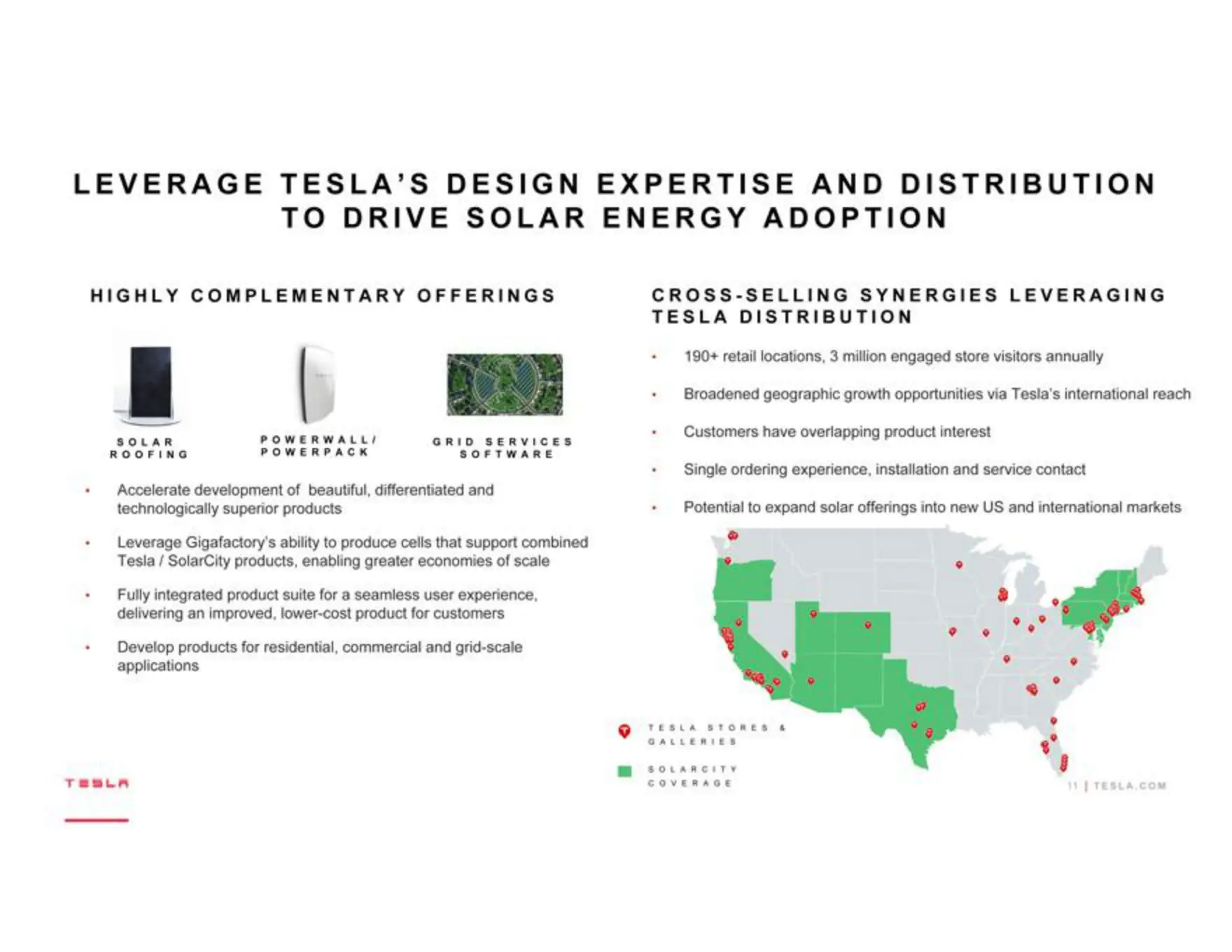
Tesla’s competitive analysis positions the company against legacy automotive manufacturers by highlighting structural advantages in innovation speed, cost structure flexibility, and direct customer relationships through their sales model. Rather than claiming technological superiority across all dimensions, Tesla focuses on systemic advantages that compound over time through different organisational DNA and strategic priorities. The analysis acknowledges incumbent strengths whilst identifying areas where Tesla’s startup structure and electric-first focus provide sustainable competitive advantages that are difficult for established players to replicate.
The competitive matrix demonstrates understanding that automotive competition involves integrated systems rather than individual component performance, showing Tesla’s appreciation for the complexity of competitive dynamics in a mature industry. By highlighting different competitive approaches and customer relationship models, Tesla positions itself as playing a different game rather than competing directly on traditional automotive metrics. This positioning reduces direct price competition whilst establishing defensive moats through customer experience and technology integration rather than manufacturing cost advantages.
What investors see: Strategic thinking about sustainable competitive advantages rather than temporary technology leads, crucial for long-term value creation in an industry where incumbents have substantial resources for competitive response. The analysis shows Tesla’s understanding of industry dynamics and realistic assessment of competitive challenges whilst identifying clear areas of structural advantage. This balanced approach builds investor confidence in Tesla’s strategic planning whilst avoiding the trap of underestimating established competitors with decades of operational experience.
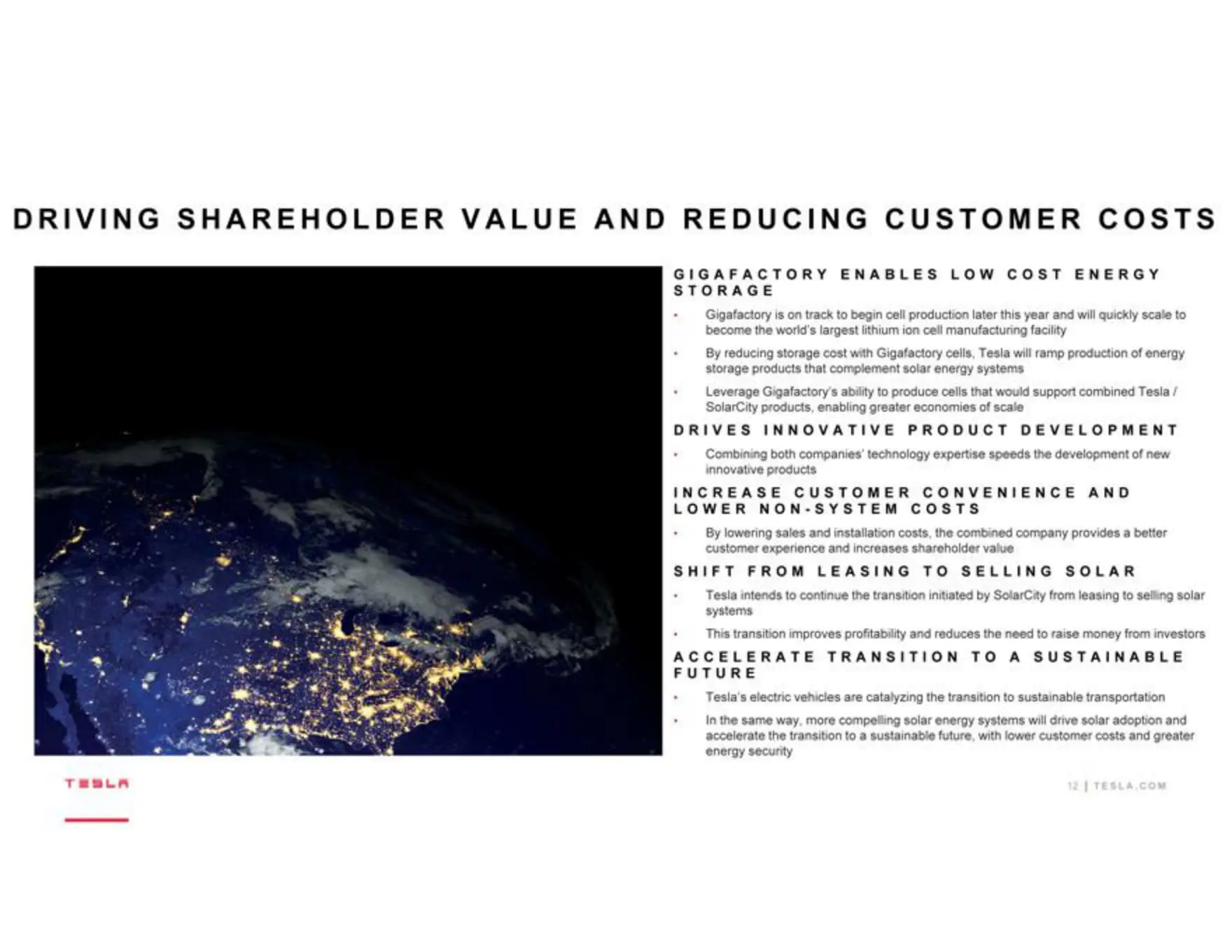
Tesla’s development timeline provides granular detail across a three-year roadmap including specific milestones for engineering completion, crash testing, tooling installation, and first customer deliveries, demonstrating sophisticated project management and realistic timeline planning. The Gantt chart format shows parallel workstreams and dependencies, indicating Tesla’s understanding of complex manufacturing project coordination rather than linear development assumptions. This level of detail builds investor confidence in Tesla’s ability to execute on ambitious production targets whilst providing clear milestones for measuring progress and accountability.
The timeline also incorporates critical path elements like regulatory approval processes and supplier qualification, showing awareness of external dependencies and risk factors that could impact delivery schedules. By including crash testing and safety certification timelines, Tesla demonstrates understanding of automotive industry requirements and regulatory compliance complexity. The detailed timeline serves as both planning document and risk management tool, allowing investors to evaluate the feasibility of proposed milestones against industry benchmarks and development best practices.
What investors see: Management sophistication and operational discipline essential for successful execution in a complex, regulated industry with unforgiving customer expectations and safety requirements. The detailed timeline demonstrates Tesla’s evolution from entrepreneurial optimism to professional project management, crucial for investor confidence in large capital deployments. This planning depth also provides framework for board oversight and performance measurement, showing Tesla’s readiness for institutional investor involvement and governance requirements.
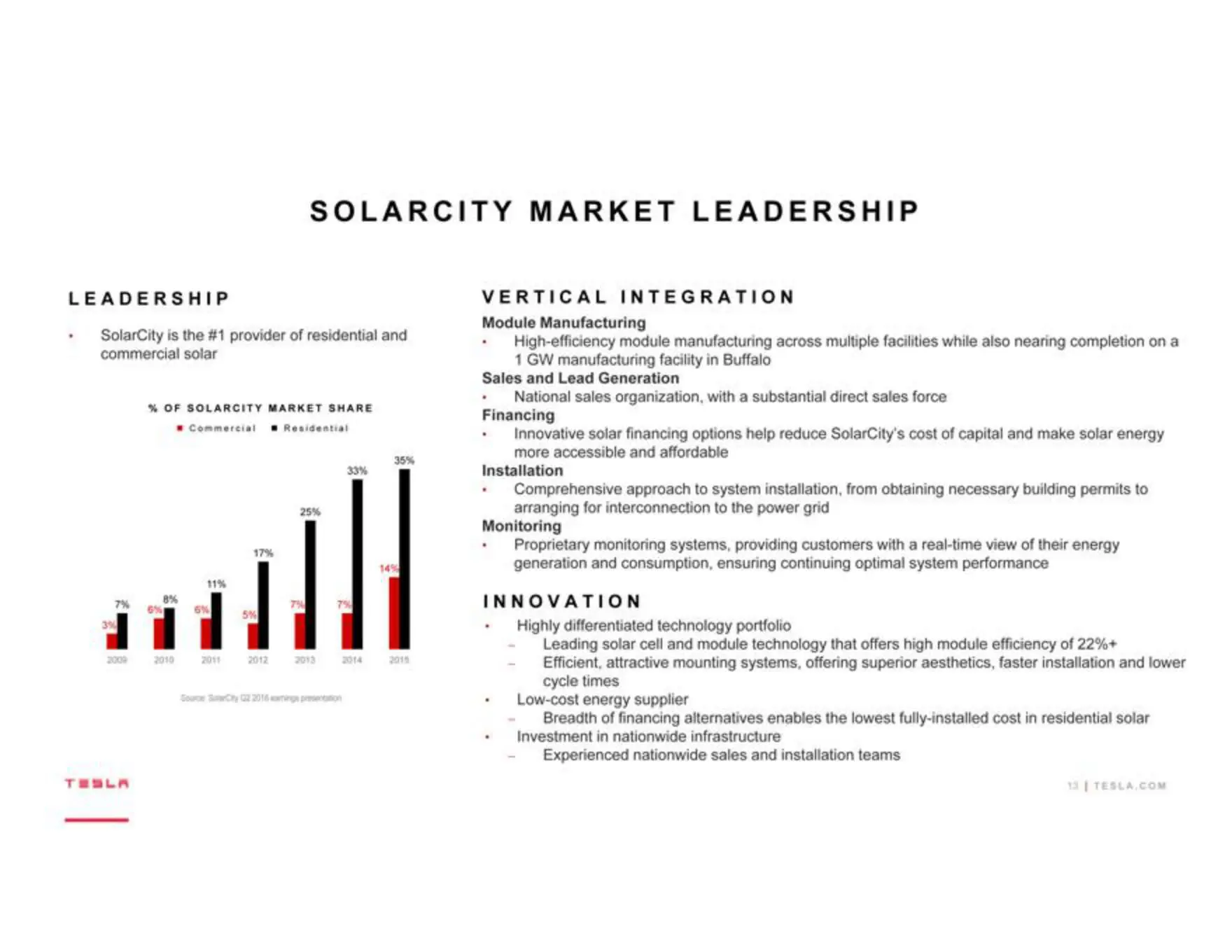
Tesla’s financial projections present revenue forecasts, margin expectations, and profitability timeline grounded in reservation data and production capacity rather than purely theoretical market penetration assumptions. The projections show revenue scaling aligned with manufacturing ramp schedules and unit production targets, demonstrating connection between operational planning and financial outcomes. The margin assumptions reflect Tesla’s premium positioning strategy whilst acknowledging the capital intensity and scale requirements necessary for sustainable profitability in automotive manufacturing.
The financial model incorporates learning curve effects and economies of scale that improve unit economics as production volumes increase, showing sophisticated understanding of manufacturing cost dynamics. By connecting financial projections to specific operational milestones and market assumptions, Tesla provides investors with framework for evaluating performance against projections and understanding key value drivers. The path to profitability timeline also aligns with capital requirements and fundraising strategy, demonstrating integrated financial planning rather than optimistic revenue projections without operational foundation.
What investors see: Financial modeling sophistication that connects revenue assumptions to operational capabilities and market data rather than top-down market share calculations, crucial for investment decision-making and valuation analysis. The projections demonstrate Tesla’s understanding of automotive industry economics whilst showing realistic assumptions about customer acquisition, production scaling, and margin development. This financial discipline builds confidence in management’s ability to achieve projected returns whilst providing clear metrics for measuring investment performance and strategic progress.
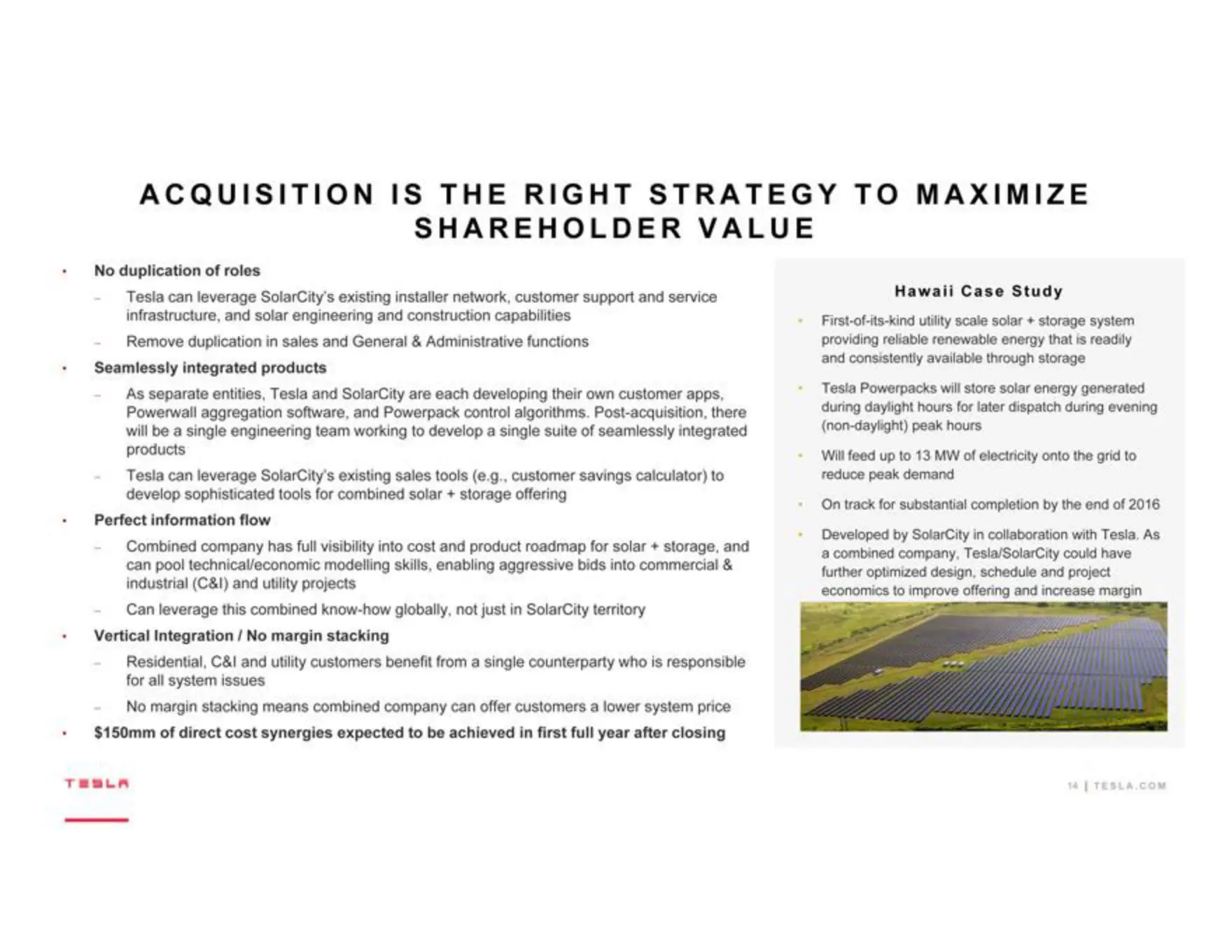
Tesla’s funding request clearly states the $192 million capital requirement with specific allocation across factory buildout, production tooling, and battery development, providing investors with detailed understanding of capital deployment and expected returns on investment. The ask connects directly to operational milestones and production targets established in earlier slides, showing disciplined capital planning aligned with business strategy rather than opportunistic fundraising. This transparency builds investor confidence whilst providing framework for evaluating fund utilisation and measuring progress against capital deployment plans.
The breakdown of capital requirements demonstrates Tesla’s understanding of manufacturing capital intensity whilst showing how investments in infrastructure and capability building create sustainable competitive advantages. By tying funding requirements to specific deliverables and timeline milestones, Tesla reduces investor concerns about capital efficiency whilst providing clear accountability measures for board oversight. The funding structure also aligns with Tesla’s stage of development, focusing on scaling proven technology rather than early-stage research and development speculation.
What investors see: Capital discipline and strategic allocation that maximises investor returns through focused deployment on revenue-generating activities rather than speculative research and development, essential for achieving targeted investment returns. The specific funding breakdown provides framework for due diligence evaluation whilst demonstrating management’s understanding of capital requirements and investor expectations. This transparency also establishes trust foundation for ongoing investor relationships and potential future funding rounds as Tesla continues scaling operations.
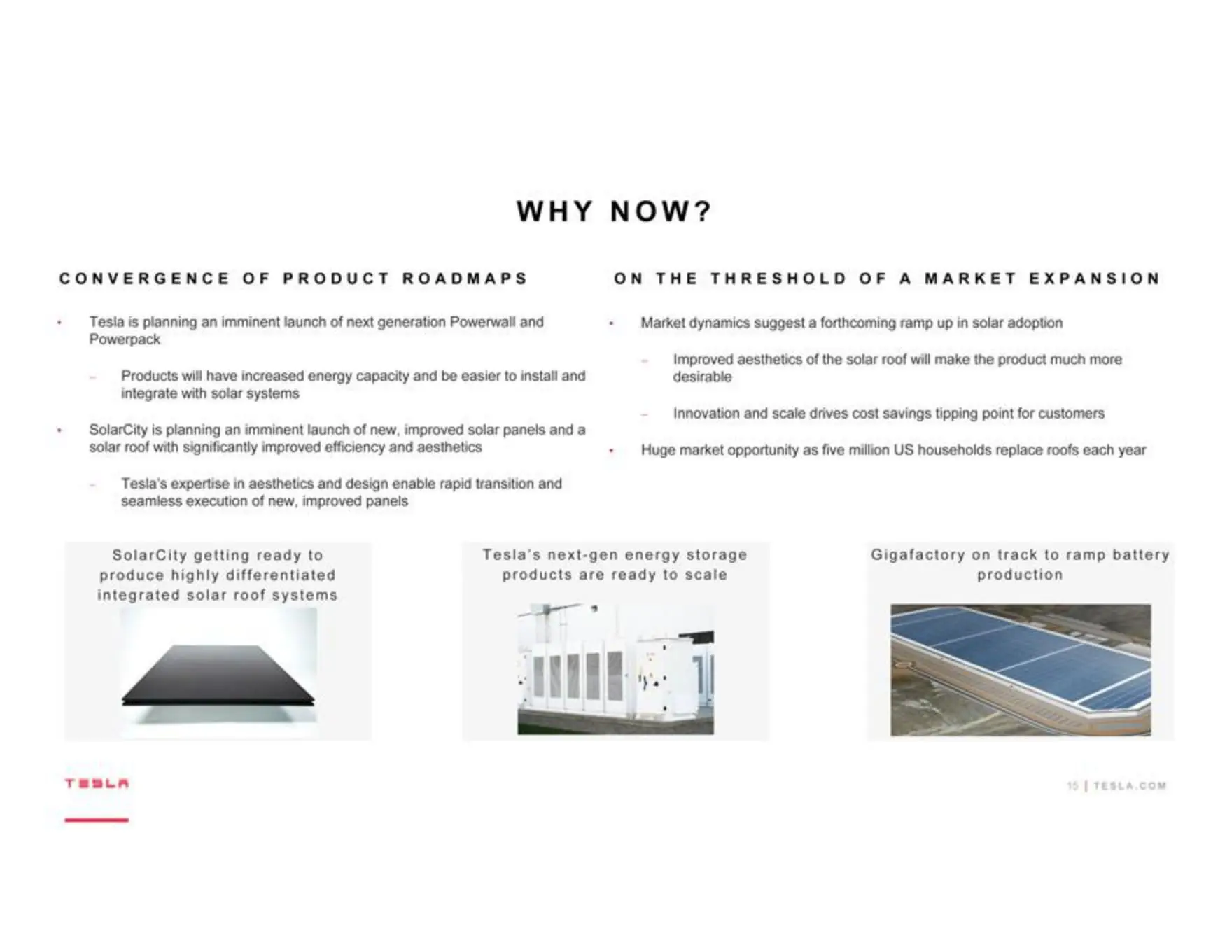
Tesla concludes the presentation with detailed imagery and specifications of the acquired Fremont manufacturing facility, grounding the entire investment proposition in tangible assets and infrastructure capability rather than theoretical production plans. The facility photos and capacity specifications provide concrete evidence that Tesla has secured the physical infrastructure necessary for Model S production scaling, addressing one of the primary risk factors in automotive manufacturing investment decisions. This tangible asset presentation transforms Tesla from concept to reality in investors’ minds, showing that ambitious production targets are supported by appropriate manufacturing infrastructure.
The Fremont facility details also demonstrate Tesla’s understanding of manufacturing complexity and scale requirements, showing the company has acquired proven automotive production infrastructure rather than attempting to build manufacturing capability from scratch. The facility’s history and capabilities provide additional credibility whilst reducing execution risk through access to established supply chain relationships and manufacturing expertise. This infrastructure foundation supports Tesla’s financial projections and timeline commitments whilst providing fallback asset value for investor downside protection.
What investors see: Investment security through tangible asset backing that provides downside protection whilst enabling production scaling necessary for achieving projected returns, crucial for risk-adjusted return calculations. The facility presentation demonstrates Tesla’s operational readiness and manufacturing sophistication rather than relying purely on technology and market opportunity arguments. This infrastructure foundation also provides competitive moat through barriers to entry and supports Tesla’s long-term strategic positioning in premium electric vehicle manufacturing and potential platform expansion opportunities.
From insight to investor-ready, in weeks not months.
Apply these lessons to your raise — we’ll build your deck, financial model, and IM together.
While Tesla’s 2011 pitch deck successfully secured $192 million and helped launch one of the most transformative companies in modern history, it reflects the presentation standards and investor expectations of its era rather than today’s more sophisticated fundraising environment. Contemporary pitch decks address investor concerns and due diligence requirements that have evolved significantly since 2011, particularly around unit economics, risk mitigation, and social impact considerations. Understanding these gaps provides valuable insights for modern founders seeking to build compelling investment cases that meet current institutional investor standards whilst learning from Tesla’s proven strategic framework, including seeking fundraising-grade pitch deck consulting.
Tesla’s deck lacks a dedicated slide explicitly defining the pain points in traditional automotive such as oil dependence, emissions impact, and slow innovation cycles; modern decks use this early positioning to frame the market opportunity and build emotional connection with investors who understand these systemic challenges firsthand.
The presentation includes no quotes from Roadster owners or beta testers; today’s investor environment heavily values social proof via authentic user stories that demonstrate product-market fit and emotional engagement beyond mere sales metrics, particularly crucial for premium consumer products.
Minimal detail exists regarding sales channels beyond direct reservations and showroom concepts; contemporary decks include comprehensive customer acquisition plans, digital marketing strategies, pricing frameworks, and distribution partnerships to demonstrate clear paths to scalable revenue growth.
Tesla provides no breakdown of customer acquisition costs, lifetime value calculations, or detailed margins per vehicle; essential metrics for SaaS-era investors who expect granular financial models demonstrating economic viability and scaling dynamics even in hardware-intensive businesses.
No mention appears of potential IPO timeline or acquisition scenarios; modern venture capitalists require clarity on liquidity events and exit pathways to assess return potential and portfolio construction strategies, particularly for capital-intensive businesses requiring multiple funding rounds.
The team slide shows limited diversity representation; today’s institutional investors increasingly prioritise inclusive leadership teams and comprehensive environmental, social, and governance metrics that align with impact-focused investment mandates and stakeholder capitalism principles.
While the timeline touches on execution risks, no comprehensive analysis covers supply chain vulnerabilities, regulatory changes, or competitive responses; current best practices dedicate specific slides to upfront risk identification and mitigation strategies that demonstrate management preparedness and strategic thinking.
These missing elements reflect the evolution of investor due diligence standards and market sophistication since 2011, when Tesla’s revolutionary vision and tangible progress were sufficient to secure funding. Today’s founders must address these gaps proactively to meet institutional investor expectations whilst maintaining the strategic clarity and compelling narrative that made Tesla’s deck successful. At Projects RH, we help founders bridge these gaps by incorporating modern investor requirements into proven pitch frameworks, ensuring that visionary companies can secure the capital necessary to transform industries whilst meeting contemporary governance and impact standards.
Position your team slide second to immediately answer the critical investor question ‘who can execute this vision?’; founders should prominently feature key hires with relevant industry expertise and proven track records to build investor confidence before discussing products or markets, particularly crucial for capital-intensive industries requiring operational excellence.
Avoid information overload on slide one; a clean logo and compelling title create curiosity and communicate confidence—apply this principle by stripping your cover to absolute essentials, allowing your story to gradually unfold and pull investors deeper into your narrative rather than overwhelming them with statistics or features.
Tesla’s reservations generated $15 million before production began; showcase concrete demand signals like bookings, waiting lists, or letters of intent early in your presentation to de-risk market fit assumptions and provide tangible evidence that customers will pay for your solution when it becomes available.
Pair your transformational sustainable energy vision with concrete assets like factory photographs and detailed timelines; founders should ground ambitious market transformation narratives in specific milestones, infrastructure investments, and measurable progress indicators that demonstrate systematic execution capability alongside visionary thinking.
Toyota’s $9 million contract provided crucial third-party credibility; actively highlight enterprise partnerships, pilot programmes, or strategic relationships with established industry players to borrow their reputation and market validation, particularly powerful when disrupting traditional industries where incumbents possess substantial due diligence capabilities.
Close your presentation with tangible assets like the Fremont factory to transform ambitious dreams into concrete reality; emphasise owned intellectual property, manufacturing capabilities, or distribution infrastructure in your final slides to provide investors with asset-backed confidence and competitive moat validation.
Frame your current product as an expandable technology ecosystem rather than a single solution; create clear roadmaps showing how today’s investments in core technology platforms enable multiple future products and market opportunities, demonstrating long-term value creation potential that justifies premium valuations and venture-scale return expectations.
Ready to raise? Let’s talk.
We’ve helped founders secure $2B+ in investor interest. Your round could be next.
The distance between the Tesla that presented this pitch deck in 2011 and the Tesla that exists today represents one of the most remarkable value creation stories in modern business history. When Elon Musk and his team sought $192 million to scale Model S production, they were asking investors to believe in a vision that challenged century-old automotive industry assumptions about electric vehicles, customer relationships, and sustainable transportation. The transformation from that ambitious but unproven concept to today’s trillion-dollar market leader provides extraordinary insights into how revolutionary companies compound growth through strategic execution, market expansion, and continuous innovation over time.
For investors who backed Tesla’s 2011 vision with $192 million, the returns have been nothing short of extraordinary, with the company’s current $1.2 trillion market capitalisation representing potential returns exceeding 600x for early stakeholders who maintained their positions through the company’s remarkable scaling journey. The pitch deck’s conservative projections of 20,000 annual Model S units pale in comparison to Tesla’s current reality of delivering over 2.1 million vehicles annually whilst expanding into energy storage, autonomous driving, and charging infrastructure—demonstrating how platform companies can exceed even their own ambitious growth assumptions.
This transformation validates the fundamental investor thesis that revolutionary companies addressing massive market inefficiencies can generate venture-scale returns even in capital-intensive industries traditionally associated with modest growth. Tesla’s evolution from pitch deck to market leader illustrates how visionary founders who combine ambitious missions with operational discipline can create sustained competitive advantages that compound over time, ultimately delivering returns that justify the substantial risks inherent in backing transformational companies during their scaling phases.
At Projects RH, we help companies across all industries create investor-ready materials that close deals. Our integrated capital raising package ensures consistency across all your investor documentation.
Built in-house for accuracy and investor confidence.
Comprehensive investor documentation following global best practices.
12-slide investor-ready presentation with supporting materials.
High-impact snapshot to capture investor attention fast.
Browse our collection of real pitch deck breakdowns from the world’s most successful companies.
Tesla's 2011 pitch deck consisted of 15 concise slides, focusing on vision, team, product, traction, timeline, and infrastructure without fluff, building a logical case step-by-step.
The deck helped raise $192M in 2011, primarily for Model S production ramp, factory tooling, and battery development, from investors including Elon Musk and funds like Draper Fisher.
Success came from early team credibility, real traction like $15M reservations and Toyota deal, visual simplicity, detailed timelines, and ending on tangible Fremont factory, turning skepticism into belief.
Yes, adapt its structure—team early, demand proof, scalability roadmap—but update for modern expectations like unit economics, risks, and testimonials; it's ideal for hardware/deep-tech visions.
This was around Series D in 2011, post-Roadster launch with some revenue but pre-Model S production, seeking capital for massive scaling in a capital-intensive industry.
Creating an effective pitch deck requires more than following a template — it demands strategic clarity about your value proposition, a deep understanding of your target investors, and rigorous financial modelling to support your narrative. At Projects RH, we combine financial expertise with strategic storytelling to build pitch decks, information memorandums, and financial models that meet the standards of institutional investors worldwide. Our team has generated over USD 2.0 billion in expressions of interest across mining, energy, technology, medtech, and financial services sectors. Schedule a consultation to discuss how we can help position your company for successful capital raising.