The disruption and effective closure of the Strait of Hormuz have once again exposed a structural vulnerability in the global energy system. With a significant share of the world’s traded oil and liquefied natural gas passing through a single maritime chokepoint, the recent escalation has translated rapidly into higher prices, tighter supply, and broader economic stress. This was not a failure of production capacity, but a failure of architecture: an energy system still heavily reliant on long, fragile supply chains and geopolitically concentrated routes.
What is becoming increasingly clear is that the energy transition is no longer driven solely by climate ambition. It is now firmly anchored in energy security, resilience, and strategic autonomy. Renewable energy when designed as part of a resilient system rather than as isolated generation assets is emerging as one of the most credible responses to this reality.
From Centralised Supply to Distributed Resilience
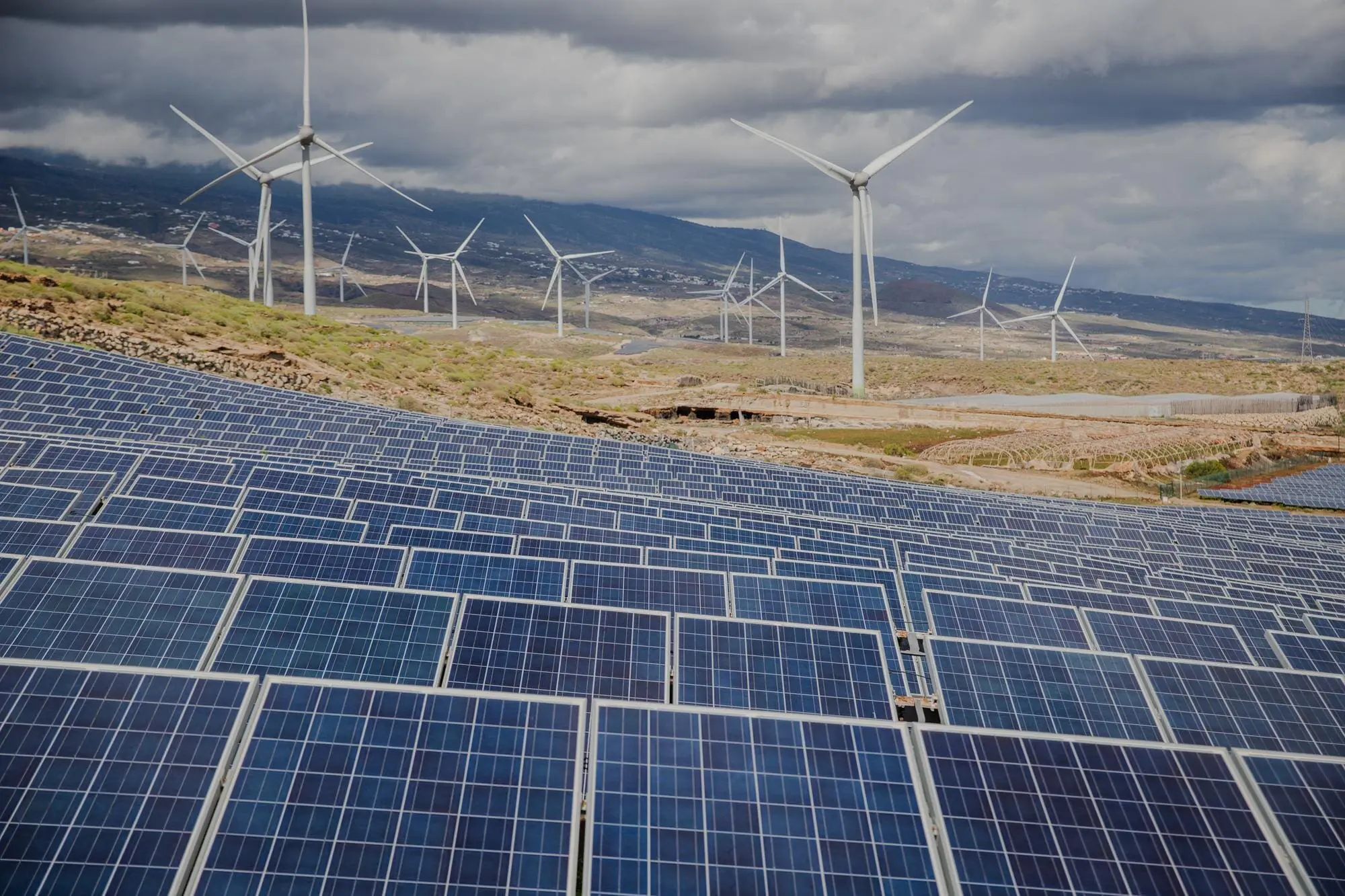
One of the most important trends in renewables today is the shift away from centralised, fuel-dependent power systems toward distributed generation paired with storage and intelligent controls. Utility-scale solar and wind remain the backbone of new capacity additions globally, but their role is evolving. The leading projects are no longer judged only on cost per megawatt-hour, but on their ability to deliver firm, dispatchable power during periods of market stress.
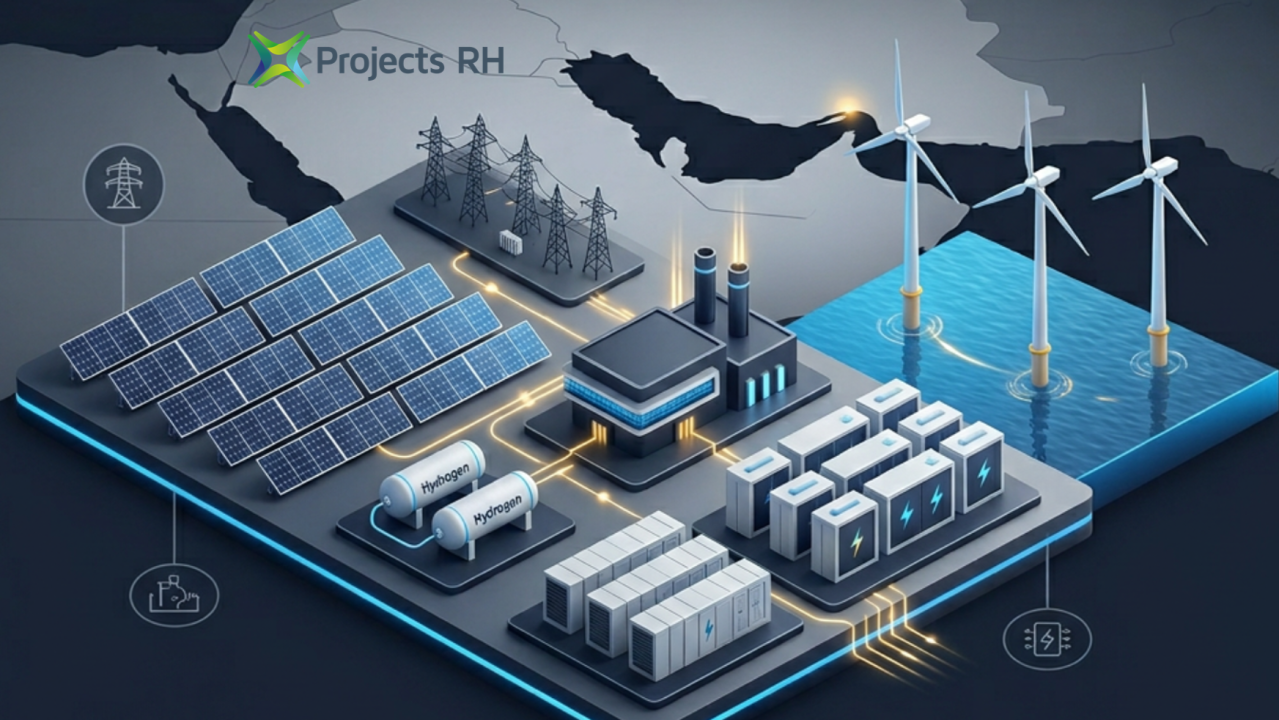
Battery energy storage systems (BESS), long-duration energy storage, and hybrid configurations are now central to this shift. Solar and wind paired with grid-forming batteries are being deployed at scale across North America, Europe, Australia and parts of the Middle East, providing stability traditionally delivered by thermal plants without exposure to imported fuels. These systems materially reduce dependence on fuel supply chains that can be disrupted by conflict or geopolitical pressure.
The Rise of Microgrids and Sovereign Power Architectures
Another defining trend accelerated by the Hormuz crisis is the rise of microgrids and behind-the-meter energy systems. Data centres, industrial clusters, ports and critical infrastructure operators are increasingly investing in autonomous power systems that combine renewables, storage and, in some cases, transitional fuels. The objective is not complete isolation from the grid, but optionality: the ability to operate independently when markets or supply routes fail.
Projects in the United States, Australia and parts of Europe are demonstrating how renewable-led microgrids can maintain high reliability while sharply reducing exposure to global fuel volatility. In parallel, island grids and energy-import-dependent nations are fast-tracking domestic solar, wind, geothermal and hydropower capacity as a hedge against future chokepoint disruptions. In effect, renewables are becoming a form of strategic infrastructure rather than purely an environmental one, a dynamic explored further in global or local energy: one size does not fit all.
Hydrogen and Renewable-Backed Fuels
Green hydrogen is also moving from concept to strategic role. While still capital-intensive, renewable-powered hydrogen projects are increasingly framed as a long-term substitute for imported molecules particularly for industry, shipping and grid balancing. Australia, the Middle East, parts of Europe and Latin America are positioning hydrogen not only as an export opportunity, but as a tool for domestic resilience in a world where fossil fuel logistics are no longer reliable.
Capital Follows Resilience
What the Strait of Hormuz disruption has reinforced is that capital is following resilience. Investors and governments alike are prioritising projects that reduce exposure to geopolitical risk, shorten supply chains, and provide energy certainty under stress scenarios. Renewable energy when integrated with storage, flexible demand and intelligent systems is no longer intermittent by definition. It is increasingly firm, local and strategically valuable.
The future energy system will still be global, but it will be far less dependent on a handful of physical chokepoints. The projects at the forefront today are those that recognise this shift and design accordingly, supported by rigorous investment project management from concept through to execution.
If you are developing renewable, storage or resilient energy infrastructure projects and are seeking capital or strategic partners, connect directly with Projects RH.
Frequently asked questions
Why is the Strait of Hormuz considered a structural vulnerability for the energy system?
A significant share of the world’s traded oil and liquefied natural gas passes through this single maritime chokepoint, meaning any disruption there rapidly translates into higher prices, tighter supply and broader economic stress – a failure of energy system architecture rather than production capacity.
How do battery energy storage systems reduce geopolitical energy risk?
Solar and wind paired with grid-forming batteries provide grid stability traditionally delivered by thermal plants without any exposure to imported fuels, materially reducing dependence on supply chains that can be disrupted by conflict or geopolitical pressure.
What is the strategic role of microgrids in the current energy environment?
Microgrids give critical infrastructure operators – data centres, ports, industrial clusters – the optionality to operate independently when markets or supply routes fail, sharply reducing exposure to global fuel volatility without requiring complete disconnection from the wider grid.
How is green hydrogen positioned as an energy security tool rather than just a climate one?
Renewable-powered hydrogen is increasingly framed as a long-term substitute for imported molecules for industry, shipping and grid balancing, with countries such as Australia and those in the Middle East and Latin America using it as a tool for domestic resilience against unreliable fossil fuel logistics.
What does it mean that capital is following resilience in the energy sector?
Investors and governments are now prioritising projects that reduce geopolitical exposure, shorten supply chains and deliver energy certainty under stress scenarios, meaning renewable energy integrated with storage and intelligent systems is valued for being firm, local and strategically reliable – not only low-carbon. Structuring that case clearly often begins with a compelling financial model for your project that stress-tests these scenarios for prospective investors.