
Investor Readiness for Biogas and Energy Projects
Investor readiness helps biogas and renewable energy projects turn strong partnerships, feedstock, economics and contracts into credible investment cases.
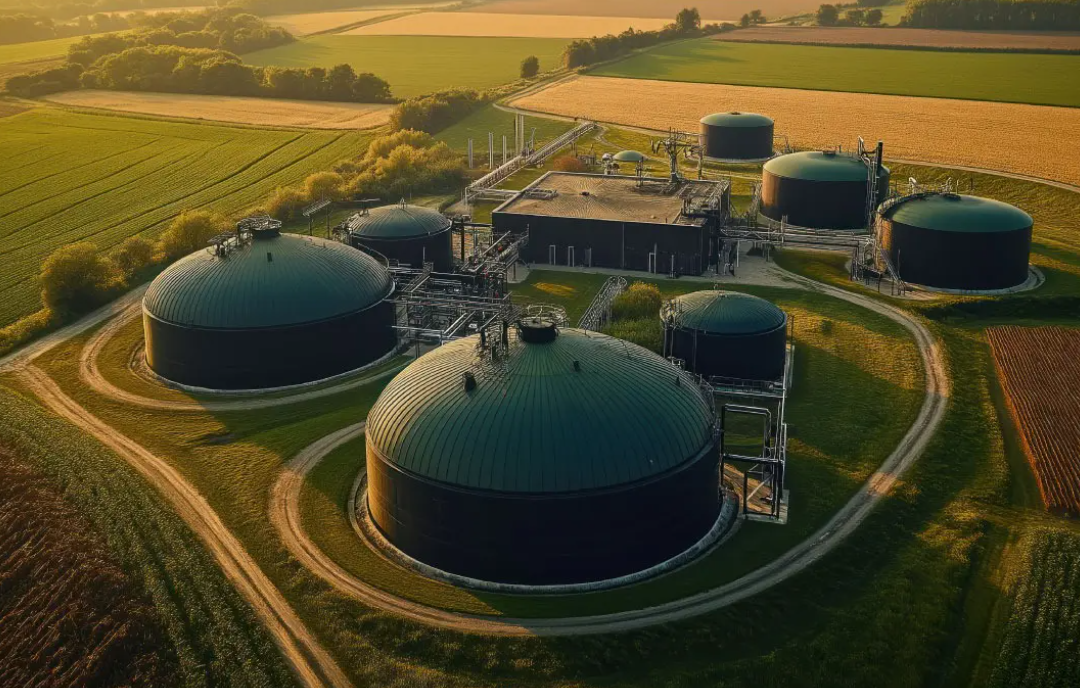
Investor readiness can turn strong relationships and promising renewable energy concepts into credible opportunities that investors and lenders can evaluate. For biogas, biomethane and waste-to-energy projects, that preparation requires more than good technology. It requires reliable feedstock, realistic economics, appropriate contracts, credible counterparties and a financial structure capable of supporting the project over its operating life.
The original Projects RH post behind this article was simply about strengthening ties.
That principle remains relevant.
Successful projects are rarely developed by one party working alone. They require relationships between project sponsors, technology providers, suppliers, customers, advisers, governments, communities and capital providers.
But relationships create opportunity only when they are supported by a commercially credible project.
Investor Readiness Strengthens Project Relationships
Strong commercial relationships can reduce uncertainty.
A project developer may understand the technology but require an experienced EPC contractor.
A feedstock owner may control organic waste but lack the technical capability to convert that waste into energy.
An industrial customer may want renewable gas but require long-term supply certainty.
An investor may have capital but need confidence in the economics, contracts and execution strategy.
The purpose of project preparation is to bring these interests together within a structure that each party can understand and evaluate.
For Projects RH, this is where investor readiness becomes important.
The project must progress from relationships and ideas to evidence and economics.
Why Biogas Creates an Interesting Investment Case
Biogas sits at the intersection of several major economic and environmental themes.
The International Energy Agency explains that biogas and biomethane can contribute to:
- energy security;
- waste management;
- emissions reduction;
- agricultural development;
- electricity generation;
- industrial energy use; and
- substitution for conventional natural gas.
Biogas is produced from organic material through anaerobic digestion.
The feedstock can include sources such as:
- agricultural residues;
- animal manure;
- food waste;
- wastewater;
- municipal organic waste; and
- other biodegradable material.
The resulting gas can be used directly for heat or electricity.
It can also be upgraded into biomethane, which can substitute for natural gas in appropriate applications.
This flexibility creates commercial opportunities.
It also creates complexity.
Feedstock Is Fundamental to Bankability
A biogas facility cannot operate without feedstock.
That makes long-term feedstock availability one of the first issues investors and lenders may examine.
Management needs to understand:
- what feedstock is available;
- where it is located;
- who controls it;
- expected annual volumes;
- seasonal variation;
- composition and quality;
- collection arrangements;
- transportation requirements;
- competing uses;
- pricing;
- contractual availability; and
- what happens if expected supply falls.
An attractive technology does not compensate for an unreliable feedstock strategy.
The financial model should therefore connect feedstock assumptions directly to production and revenue.
Location Can Change Project Economics
Biogas economics are often highly location-specific.
Feedstock has to be collected or delivered.
Energy or biomethane needs to reach a customer or network.
Digestate and other outputs may require handling or transportation.
The International Energy Agency evaluates biogas potential using factors including feedstock density and proximity to infrastructure such as roads, electricity grids and gas pipelines.
That demonstrates why location matters.
A resource may appear attractive in aggregate but still be commercially difficult if feedstock is widely dispersed or logistics costs are excessive.
Project developers therefore need to model the complete supply chain rather than concentrating only on the conversion facility.
Revenue Needs More Than One Assumption
A biogas or biomethane project's revenue structure can vary considerably.
Potential revenue streams may include:
- electricity sales;
- heat sales;
- biomethane sales;
- waste-processing or tipping fees;
- digestate;
- environmental attributes;
- emission-reduction credits; and
- other project-specific by-products.
Not every project will have all of these revenue streams.
More importantly, not every potential revenue stream should automatically be treated as bankable.
Investors need to understand which revenues are:
- contracted;
- regulated;
- merchant;
- forecast;
- dependent on policy;
- dependent on commodity prices; or
- dependent on voluntary environmental markets.
The quality of revenue matters as much as the quantity.
Offtake Can Determine Financeability
A long-term customer can materially strengthen an energy project.
An offtake agreement may provide visibility over:
- volumes;
- pricing;
- contract duration;
- indexation;
- quality requirements;
- delivery obligations;
- payment;
- termination; and
- credit support.
For lenders, predictable contracted revenue may improve confidence that debt can be serviced.
But the contract needs to align with the project.
A long-term offtake agreement with a weak counterparty may provide less protection than it initially appears to offer.
The investor therefore needs to assess both the contract and the party behind it.
Waste Can Become Infrastructure
Biogas is particularly interesting because waste can become a productive input rather than simply a disposal problem.
The World Bank provides an example of a waste-to-power structure in which landfill gas can be collected, treated and used to generate electricity.
Its model illustrates how a project company can combine waste management, energy generation and financing arrangements.
This is an important commercial perspective.
Waste infrastructure should not always be analysed only as a cost centre.
Depending on the project, waste can support:
- energy production;
- saleable by-products;
- environmental benefits;
- avoided disposal costs; and
- emissions-related value.
But these benefits need to be quantified carefully.
Technology Must Fit the Feedstock
Biogas projects are not interchangeable.
Technology needs to match:
- feedstock characteristics;
- scale;
- required output;
- operating conditions;
- local technical capability;
- grid or gas-network requirements; and
- environmental standards.
Technology selection may also affect CAPEX, OPEX, maintenance and availability.
Investors may therefore want evidence covering:
- technology track record;
- reference facilities;
- performance guarantees;
- equipment suppliers;
- warranties;
- maintenance arrangements; and
- replacement requirements.
A technology provider's reputation can be important.
Technical evidence is more important.
The Financial Model Connects Technology and Economics
A credible biogas project needs a financial model capable of translating physical assumptions into financial outcomes.
The model may include:
- feedstock volume;
- feedstock cost;
- biogas yield;
- methane content;
- plant availability;
- conversion efficiency;
- electricity or biomethane production;
- revenue;
- CAPEX;
- OPEX;
- logistics;
- maintenance;
- working capital;
- taxation;
- financing;
- debt service;
- cash flow; and
- investor returns.
Each major assumption should have a clear basis.
For example, projected gas output should reconcile with feedstock volume and expected yield.
Revenue should reconcile with production and pricing assumptions.
Operating costs should reflect the actual operating strategy.
A model becomes useful when the physical project and the financial project describe the same reality.
Investor Readiness Requires Sensitivity Analysis
The base case is only one possible outcome.
Investors and lenders will often want to understand what happens when assumptions change.
Useful sensitivities may include:
- lower feedstock volume;
- lower biogas yield;
- higher feedstock cost;
- higher transport costs;
- lower plant availability;
- weaker energy prices;
- lower biomethane prices;
- construction delay;
- CAPEX overrun;
- higher operating costs;
- higher interest rates; and
- delayed commercial operations.
Sensitivity analysis can identify where the investment case is most vulnerable.
That allows management to address material weaknesses before capital outreach.
Early-Stage Preparation Is Critical
Renewable energy projects often require substantial preparatory work before reaching financial close.
The International Renewable Energy Agency identifies activities such as:
- feasibility studies;
- environmental and social impact assessments;
- risk assessments;
- market analysis;
- project design;
- permitting;
- financial modelling; and
- financial structuring
as important parts of renewable project development.
IRENA also notes that insufficient investment in these development stages can leave projects underdeveloped and unattractive to banks and investors.
This is exactly why project preparation matters.
Capital raising should not be expected to repair fundamental project-development gaps.
Bankability Requires More Than Strong Sustainability Credentials
A project may have significant environmental benefits and still be unbankable.
The International Renewable Energy Agency identifies project readiness and comprehensive planning as important components of renewable-project bankability.
Its analysis also highlights the importance of:
- proven technology;
- feasibility studies;
- financial planning;
- offtake arrangements;
- permitting;
- project agreements; and
- appropriate equity.
IRENA reports that 45% of projects submitted for financing consideration through its ETAF experience were rejected because of low project readiness, while 25% were rejected for poor financial planning.
Those figures illustrate an important point.
The availability of capital does not automatically mean a project is ready to receive it.
Investor Readiness Is an Evidence-Based Process
Projects RH approaches investor readiness as structured project preparation.
For a biogas or renewable energy opportunity, that can involve understanding:
- project ownership;
- development stage;
- feedstock;
- technology;
- site;
- permits;
- CAPEX;
- OPEX;
- revenues;
- offtake;
- financial model;
- environmental requirements;
- counterparties;
- management;
- capital requirement;
- proposed use of funds;
- transaction structure; and
- investor documentation.
The objective is to identify what is ready, what still needs evidence and what should be completed before serious engagement with capital providers.
The Projects RH services are structured to support this readiness-led process.
Commercial Partnerships Need Clear Responsibilities
Strengthening ties is valuable when each party understands its role.
A renewable energy project may involve:
- project sponsor;
- feedstock supplier;
- technology provider;
- EPC contractor;
- operator;
- landowner;
- offtaker;
- lender;
- equity investor;
- government authority; and
- technical, legal and financial advisers.
Those relationships should not remain informal indefinitely.
Contracts should define responsibilities and allocate risk.
For example:
- Who carries feedstock risk?
- Who guarantees plant performance?
- Who bears construction-delay risk?
- Who pays for grid connection?
- Who is responsible for permits?
- Who purchases the energy?
- What happens if the offtaker defaults?
These questions ultimately influence financeability.
Project Finance Requires Risk Allocation
Project finance depends heavily on understanding where risks sit.
A lender financing an SPV generally wants the project contracts to allocate risks to parties capable of managing them.
For a biogas project, material risks can include:
- construction;
- technology;
- feedstock;
- operations;
- offtake;
- market pricing;
- regulation;
- foreign exchange;
- environmental compliance; and
- counterparty credit.
Strong relationships help.
Clear contractual allocation is what allows those relationships to be evaluated by capital providers.
Environmental Performance Also Requires Discipline
Biogas can provide important environmental benefits.
However, environmental performance should not simply be assumed.
The IEA's Outlook for Biogas and Biomethane highlights the importance of minimising methane emissions associated with biogas projects and responsibly managing organic waste streams. 【1-6422ce】
This is important because methane losses can materially affect the environmental case.
A credible project should therefore consider appropriate:
- plant design;
- monitoring;
- leak detection;
- feedstock handling;
- digestate management;
- emissions controls; and
- environmental compliance.
Environmental credibility can become part of investment credibility.
Biogas and Biomethane Have Growing Strategic Relevance
The global market for biogases continues to develop.
The International Energy Agency forecasts continued growth in biogas and biomethane and highlights biomethane's ability to use existing natural-gas infrastructure and equipment. 【5-b89c75】
The strategic drivers include:
- domestic energy security;
- reduced dependence on imported fuels;
- methane mitigation;
- organic waste management;
- rural economic development; and
- decarbonisation of difficult-to-electrify activities.
For project sponsors, however, macroeconomic growth does not guarantee individual project success.
Each project still needs credible economics.
Strengthening Ties Means Creating Commercial Alignment
The original Projects RH article was titled "We Are All About Strengthening Ties."
That idea remains meaningful.
But today we would define those ties more precisely.
The strongest project relationships are not simply introductions.
They create commercial alignment between:
- resources;
- technology;
- customers;
- management;
- contracts;
- communities; and
- capital.
A good relationship can open the door.
A credible investment case determines whether the parties can move through it together.
From Partnership to Investment Opportunity
A biogas project can begin with several apparently separate assets.
One party has feedstock.
Another has technology.
Another controls land.
A customer needs energy.
An investor has capital.
A lender can provide debt.
The project sponsor's challenge is to convert those individual pieces into one coherent transaction.
That requires:
Clear Ownership
Who controls the project and its key assets?
Reliable Feedstock
Is sufficient feedstock available throughout the operating period?
Proven Technology
Can the proposed system achieve the expected output?
Credible Economics
Does the project produce acceptable risk-adjusted returns?
Contracted Revenue
How much revenue is supported by contractual arrangements?
Appropriate Risk Allocation
Which party carries each material project risk?
Financial Structure
What combination of equity and debt fits the project?
Complete Documentation
Can external capital providers assess the opportunity efficiently?
This is the work behind investor readiness.
Stronger Projects Create Stronger Capital Relationships
Investors and lenders value good relationships.
They also value discipline.
A strong capital relationship should be based on:
- accurate information;
- timely disclosure;
- realistic assumptions;
- transparent risk analysis;
- consistent documentation;
- professional communication; and
- clear transaction governance.
Those characteristics matter long after a financing transaction closes.
Infrastructure and energy projects can operate for decades.
The relationship between sponsors and capital providers can therefore be a long one.
Investor Readiness Comes Before Capital Outreach
Projects should not begin investor outreach simply because they need money.
They should begin when management can explain why the project deserves serious capital evaluation.
That means being able to answer:
What has been validated?
What remains an assumption?
What are the material risks?
How much capital is required?
How will the capital be used?
What structure fits the project?
This is a more disciplined approach to capital raising.
It also respects the time of both project sponsors and investors.
Strong Ties Begin With a Strong Project
Projects RH believes in relationships.
But relationships work best when they connect well-prepared opportunities with parties capable of adding real value.
For renewable-energy projects, that means strengthening the project before attempting to strengthen the investor network.
The sequence matters:
- establish the facts;
- validate the economics;
- build the financial model;
- identify material risks;
- strengthen contracts and documentation;
- determine the appropriate capital structure;
- complete investor preparation; and
- approach suitable capital providers when the project is ready.
That process turns relationships into commercially meaningful partnerships.
And that is how investor readiness strengthens ties between projects and capital.
Sources
- International Energy Agency - Outlook for Biogas and Biomethane
- International Energy Agency - Key Findings on Biogas and Biomethane
- International Renewable Energy Agency - Early-Stage Project Financing
- International Renewable Energy Agency - Five Pillars of Renewable Project Bankability
- World Bank - Biodigesters Deployment Model
- World Bank - Waste-to-Power Model
Strengthen Your Project Before Approaching Capital
If you are developing a biogas, biomethane, renewable energy or other capital-intensive project, establish its financial and commercial readiness before investor outreach.
Start the Projects RH Capital Readiness Questionnaire to identify financial, documentation and project-preparation gaps.
Explore Projects RH services for investor readiness, financial modelling, investment documentation, project finance, capital raising and transaction preparation.
Paul Raftery
First published on ProjectsRH.com on 26 November 2019. Updated to reflect the current Projects RH investor-readiness and renewable-project preparation approach.

What to do next
Projects RH prepares the company and the project first, then takes them to investors. The fastest way to find out where you stand is a short call.
Keep reading

Green Hydrogen Offtake Agreement: What Makes It Financeable?
A green hydrogen offtake agreement must address price, volume, tenor, certification and buyer credit. Learn what lenders test before project finance.
Infrastructure Funding: Preparing Projects for Investors
Infrastructure funding requires more than capital. Learn how sponsors prepare projects for public programmes, lenders and institutional investors.
Metallurgical Testwork Mining Finance: Evidence Before Capital
Metallurgical testwork mining finance depends on recovery, variability, flowsheets and product quality. Learn what investors test before committing capital.