
How Can Waste Products Be Used as a Renewable Resource?
How can waste products be used as a renewable resource? Explore biogas, recycling, waste-to-energy and what makes resource-recovery projects investable.

How can waste products be used as a renewable resource? Waste can become a source of energy, fuels and recoverable materials when suitable waste streams are processed through technologies such as anaerobic digestion, landfill gas recovery, gasification, pyrolysis, recycling and other resource-recovery systems.
The opportunity, however, is not simply to turn waste into energy. Developers first need to determine which materials should be prevented, reused or recycled, which residual waste streams are technically appropriate for energy or material recovery, and whether the resulting project has the feedstock, technology, contracts and economics required to attract investment.
How can waste products be used as a renewable resource?
Waste can support renewable energy and resource recovery when suitable organic residues, biomass-based wastes and other appropriate streams are matched with the correct treatment technology.
The process can create different forms of value, including:
- Renewable biogas
- Biomethane
- Electricity
- Heat
- Recoverable materials
- Recycled feedstocks
- Fuels
- Nutrient-rich products from suitable organic waste
- Avoided waste-disposal costs
Not every waste stream should be converted into energy. Waste prevention, reuse and recycling generally deserve consideration before energy recovery, particularly when materials can retain greater economic or environmental value through circular use.
The central question is therefore not simply whether waste can produce energy. It is which recovery pathway creates the strongest technical, environmental and commercial outcome for a particular waste stream.
The waste hierarchy comes first
A credible waste-to-resource strategy should begin with the waste hierarchy.
Where practical, preventing waste in the first place is preferable to managing it after it has been produced. Reuse can preserve products and materials without requiring complete reprocessing, while recycling can return suitable materials to productive use.
Energy recovery becomes particularly relevant for certain residual waste streams and organic materials that cannot be practically prevented, reused or recycled.
This distinction matters for developers and investors.
Calling every waste-to-energy project circular or renewable without examining the actual feedstock, technology and alternative uses can create an investment case that does not withstand serious due diligence.
Main ways waste can become a resource
Different waste streams require different technologies.
There is no single waste-to-energy process appropriate for every material.
Anaerobic digestion
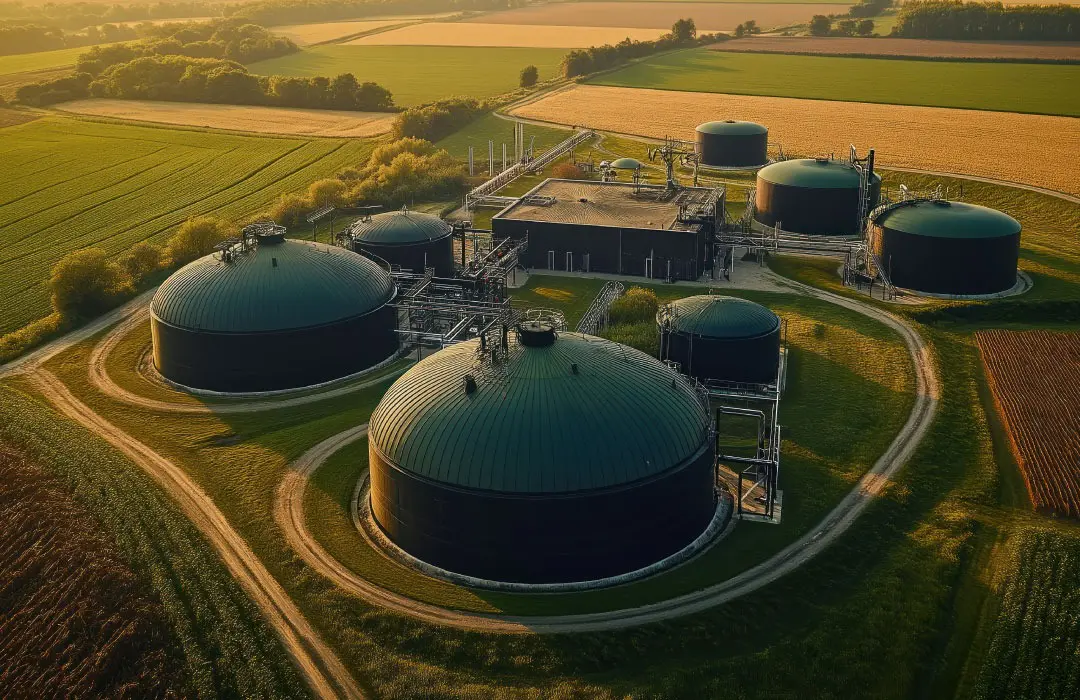
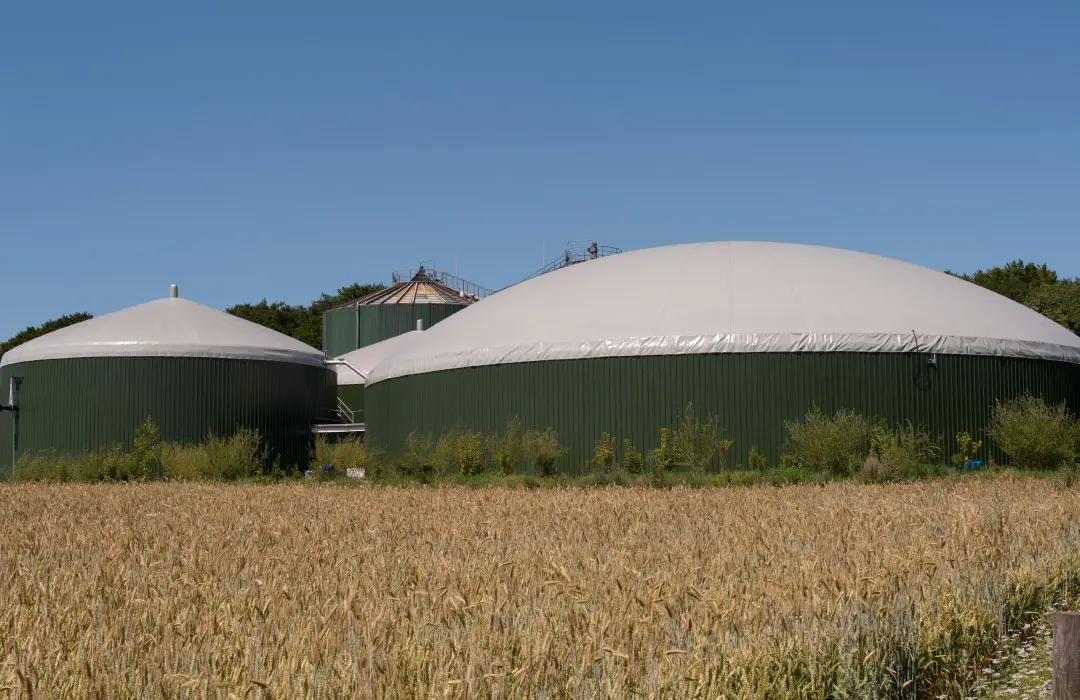
Anaerobic digestion uses microorganisms to break down organic material in the absence of oxygen.
Suitable feedstocks can include:
- Food waste
- Livestock manure
- Wastewater solids
- Agricultural residues
- Other appropriate biodegradable materials
The process produces biogas and digestate.
Biogas can potentially be used for heat or electricity or upgraded into biomethane where appropriate specifications and infrastructure permit.
Digestate may have beneficial applications depending on composition, quality, treatment requirements and local regulation.
The U.S. EPA: Anaerobic Digestion describes anaerobic digestion as a process that converts organic materials into biogas, a renewable energy source, together with residual materials that can potentially have beneficial uses.
Landfill gas recovery
Organic material decomposing in landfills can generate methane-rich landfill gas.
Gas collection systems can capture some of this gas for energy applications rather than allowing it to be released uncontrolled.
Potential uses can include electricity generation, thermal applications or further processing, depending on gas quality and project infrastructure.
The economics depend on gas production, collection efficiency, operating costs, treatment requirements and the available route to market.
Gasification
Gasification converts suitable carbon-containing materials into a synthesis gas under controlled conditions.
Depending on the technology and feedstock, syngas may potentially be used for heat, electricity, fuels or further chemical processing.
However, municipal and industrial waste streams can be highly heterogeneous.
Feedstock preparation, moisture, contaminants and consistency can therefore materially affect plant performance and economics.
Pyrolysis
Pyrolysis processes suitable materials at elevated temperatures with little or no oxygen.
Depending on feedstock and process design, outputs may include gases, liquids and solid products such as char.
A commercially credible pyrolysis project needs more than a technically functioning reactor. Developers also need to demonstrate feedstock availability, product quality, customer demand, operating costs and realistic offtake arrangements.
Recycling and material recovery
Not every valuable waste stream should become energy.
Metals, paper, glass and some plastics may retain greater value when reused or recycled.
Material recovery can therefore be as important as energy recovery within a circular-economy strategy.
Project developers should evaluate each waste stream according to its composition, recoverability, market value and appropriate place within the waste hierarchy.
Which waste products can support renewable energy?
Organic residues are especially relevant to renewable-energy production because their energy originates from biological material.
Potential examples include:
- Food waste
- Agricultural residues
- Livestock manure
- Wastewater solids
- Forestry residues
- Other suitable biomass-derived materials
These materials can potentially support anaerobic digestion, biogas production or other bioenergy pathways.
By contrast, materials derived from fossil resources require greater care when describing recovered energy as renewable.
For this reason, a waste project should distinguish between:
- Waste management
- Resource recovery
- Energy recovery
- Renewable energy
- Circular-economy outcomes
These concepts overlap, but they are not interchangeable.
Why waste-to-resource projects matter
Waste management is becoming an increasingly important infrastructure challenge.
The UN Environment Programme's Global Waste Management Outlook 2024 projects municipal solid waste generation rising from approximately 2.1 billion tonnes in 2023 to 3.8 billion tonnes by 2050.
That creates environmental challenges, but it also creates pressure to improve prevention, collection, recycling and resource recovery.
For project developers, the opportunity is not simply the increasing quantity of waste.
The opportunity is to identify specific waste streams that can be managed more effectively while producing a commercially valuable output.
What determines the economics of waste-to-energy projects?
Waste-to-energy and resource-recovery projects can create commercial value, but their economics are highly project-specific.
Important variables may include:
- Waste or feedstock availability
- Feedstock quality and consistency
- Tipping-fee revenue
- Collection costs
- Transportation
- Preprocessing requirements
- Technology performance
- Plant availability
- Energy consumption
- CAPEX
- OPEX
- Energy yield
- Product quality
- Electricity, heat, gas or fuel pricing
- Offtake agreements
- Permitting
- Financing costs
- Applicable incentives
A growing waste-to-energy market cannot compensate for weak project economics.
Investors need to see how these assumptions interact within the financial model.
Feedstock quality can make or break a project
Waste availability alone does not establish a viable feedstock strategy.
Professional capital providers may want to understand:
- What waste stream is being used?
- Who controls it?
- How much is available?
- Is the quantity contracted?
- What is its composition?
- Does composition change seasonally?
- What preprocessing is required?
- Who pays for transportation?
- Are tipping fees available?
- Are there competing uses?
- What happens if supply declines?
Mixed waste creates particular challenges because composition can vary materially.
That variability can affect energy yield, equipment performance, preprocessing requirements, operating costs and the quality of final products.
Feedstock risk therefore deserves the same attention as technology risk.
Revenue streams in waste-to-resource projects
A project may generate value from several sources.
Tipping fees
Facilities may receive fees for accepting waste that would otherwise incur disposal costs.
Where available, this can produce revenue before energy or materials are sold.
However, tipping fees depend on local waste markets and contractual arrangements.
Electricity and heat
Some waste-to-energy systems generate electricity, useful heat or both.
The commercial value depends on production, energy prices, plant availability, interconnection and customer demand.
Biogas and biomethane
Organic waste processed through anaerobic digestion can produce biogas.
Further upgrading can potentially produce biomethane for suitable gas applications.
For an investor-focused perspective, read Biogas Project Investment Opportunities: What Investors Test.
Recovered materials
Recycled or recovered products can provide additional revenue where there is adequate quality and established demand.
However, financial models should avoid assigning unsupported value to byproducts simply to improve projected returns.
Technology alone does not make a project investable
A technically credible waste-conversion process is only one part of an investment-ready project.
Before approaching institutional capital, developers may need evidence supporting:
- Waste or feedstock supply
- Technology
- Site control
- Development status
- Permitting
- CAPEX
- OPEX
- Construction schedule
- Plant availability
- Product or energy yield
- Infrastructure
- Offtake
- Revenue assumptions
- Financial model
- Funding requirement
- Management capability
- Material project risks
This is why Investor Readiness: What Investors Test Before They Commit is relevant to waste-to-energy developers.
Preparation should come before investor outreach.
Building the financial model
The financial model should translate physical project assumptions into financial outcomes.
For a waste-to-resource project, the model may need to incorporate:
- Annual waste throughput
- Feedstock pricing
- Tipping fees
- Preprocessing costs
- Conversion efficiency
- Energy output
- Recovered product volume
- Product pricing
- Plant availability
- Internal energy consumption
- CAPEX
- OPEX
- Construction timetable
- Working capital
- Debt
- Equity
- Financing costs
- Taxes
- Cash flow
- Debt service
- IRR
- NPV
Sensitivity analysis is particularly important.
Investors should be able to understand what happens if:
- Waste volumes decline
- Feedstock composition changes
- Construction costs increase
- Commissioning is delayed
- Plant availability falls
- Energy output underperforms
- Product prices decline
- OPEX increases
- Financing becomes more expensive
A project that remains economically credible under reasonable downside scenarios can present a stronger investment case.
Offtake matters as much as production
Producing electricity, biogas, fuel or recovered materials does not guarantee revenue.
The project needs identifiable customers.
Investors and lenders may therefore examine:
- What is being sold?
- Who will buy it?
- At what price?
- For how long?
- Are minimum volumes contracted?
- How is pricing determined?
- Is the buyer creditworthy?
- Are product-quality specifications defined?
- What happens if the customer terminates the agreement?
Revenue visibility can materially influence bankability.
The Projects RH guide Renewable Energy Project Finance: How Projects Raise Capital explains why professional capital providers focus on the cash flow behind an energy asset rather than on capacity or technology alone.
Environmental value and commercial value
Waste-to-resource projects may provide environmental benefits by reducing landfill disposal, capturing methane, producing renewable energy or recovering useful materials.
But environmental relevance does not replace commercial fundamentals.
Professional investors still need clarity on:
- Cost
- Contracts
- Revenue
- Technology performance
- Operating reliability
- Financing
- Governance
- Risks
The strongest investment propositions demonstrate both environmental relevance and credible economics.
Financing waste-to-energy projects
Funding needs evolve as a project develops.
Early-stage capital may support:
- Feasibility studies
- Waste characterization
- Engineering
- Site work
- Environmental studies
- Permitting
- Technology validation
- Commercial agreements
- Financial modeling
Construction finance requires significantly stronger evidence because more capital is at risk.
Depending on the project, funding may potentially include:
- Sponsor equity
- External equity
- Strategic investment
- Project debt
- Development finance
- Grants and incentives where eligible
The appropriate structure depends on development stage, revenue visibility, risk allocation and expected cash flow.
Learn more about the Projects RH preparation framework on Projects RH Services.
You can also review How Projects RH Works for the process from initial discovery through project preparation and, where appropriate, a separate capital raising mandate.
Investor documentation for waste-to-resource projects
Once the project's technical, commercial and financial foundations can withstand review, investor documentation can be prepared.
A professional package may include:
- Financial model
- Information Memorandum
- Investor deck
- Teaser
- Data room
These materials should agree with each other.
The financial model should serve as the numerical foundation.
The Information Memorandum should explain the opportunity, technology, commercial structure, economics, funding requirement and material risks.
The deck and teaser should summarise the same investment case without changing the underlying assumptions.
Key risks investors will test
Feedstock risk
Changes in waste availability, composition, collection or transportation can materially affect project performance.
Technology risk
The conversion technology must perform reliably with the actual feedstock proposed for the project.
Construction risk
Delays or cost overruns can increase funding requirements and defer revenue.
Operating risk
Maintenance, utilities, staffing, consumables and equipment replacement can materially affect long-term economics.
Offtake risk
Weak demand or uncertain pricing for energy, fuel or recovered products can undermine revenue visibility.
Regulatory risk
Waste handling, emissions, environmental approvals and energy regulations vary significantly between jurisdictions.
Financing risk
Higher interest rates, insufficient contingencies or an unsuitable capital structure can undermine an otherwise technically credible project.
FAQ: How can waste products be used as a renewable resource?
How can waste products be used as a renewable resource?
Suitable waste streams can be converted into energy, fuels or recoverable materials through processes such as anaerobic digestion, landfill gas recovery, gasification, pyrolysis, recycling and other resource-recovery technologies.
Which waste products can produce renewable energy?
Organic waste streams such as food waste, manure, wastewater solids and some agricultural residues can support renewable-energy production through appropriate biological or thermal processes.
Is all waste-to-energy renewable?
No. Whether energy recovered from waste qualifies as renewable depends on the feedstock, process and applicable regulatory definition. Biogenic organic waste differs fundamentally from fossil-derived materials such as many plastics.
Is waste-to-energy better than recycling?
Not necessarily. Waste prevention, reuse and recycling generally deserve consideration before energy recovery. Energy recovery can be appropriate for suitable residual waste that cannot practically be reused or recycled.
What makes a waste-to-energy project investment-ready?
Professional capital providers typically need evidence supporting feedstock or waste supply, technology, site, permits, CAPEX, OPEX, product yield, infrastructure, offtake, financial assumptions, funding requirements and material risks.
How can Projects RH support a waste-to-energy project?
Projects RH helps project sponsors establish the facts, identify investor-readiness gaps, build or test financial models and prepare institutional-quality investment documentation. Capital raising is handled separately when an appropriate mandate is accepted.
Sources and further reading
- U.S. EPA: Anaerobic Digestion
- U.S. Department of Energy: Waste-to-Energy from Municipal Solid Wastes
- UN Environment Programme: Global Waste Management Outlook 2024
- IEA Bioenergy Task 36: Waste and Circular Economy
Related Projects RH insights and services
- Biogas Project Investment Opportunities: What Investors Test
- Investor Readiness: What Investors Test Before They Commit
- Renewable Energy Project Finance: How Projects Raise Capital
- Projects RH Services
- How Projects RH Works
Is your waste-to-energy project ready for institutional capital?
Turning waste into energy or valuable products is only the starting point. Investors and lenders need credible feedstock assumptions, proven technology, defensible project economics, reliable offtake and consistent investment documentation.
Projects RH helps project sponsors strengthen investor readiness, build or test financial models and prepare institutional-quality investment materials before formal capital raising begins.
Developing a waste-to-energy, biogas or resource-recovery project? Book a FREE 20-Minute Discovery Call with Projects RH to discuss your project's readiness and next steps.

What to do next
Projects RH prepares the company and the project first, then takes them to investors. The fastest way to find out where you stand is a short call.
Keep reading
What Is Biogas? A Complete Guide to Renewable Energy
What is biogas? Learn how organic waste becomes renewable energy, how biomethane is produced, its uses and what investors assess before financing a project.
Is Anaerobic Digestion Profitable? Costs and Returns
Is anaerobic digestion profitable? Learn how feedstock, CAPEX, OPEX, biogas revenue, biomethane, offtake and financing determine project returns.

Methane Gas Used as Fuel: What Investors Test in RNG Projects
Methane gas used as fuel can supply power, heat, industry and transport. Here is how biogas becomes renewable natural gas, and what investors test before an RNG project is financeable.